Workshops & Speaker Bios
Meet our distinguished speakers and explore the sessions.
🎙️ Keynote Speaker: Jase Williams
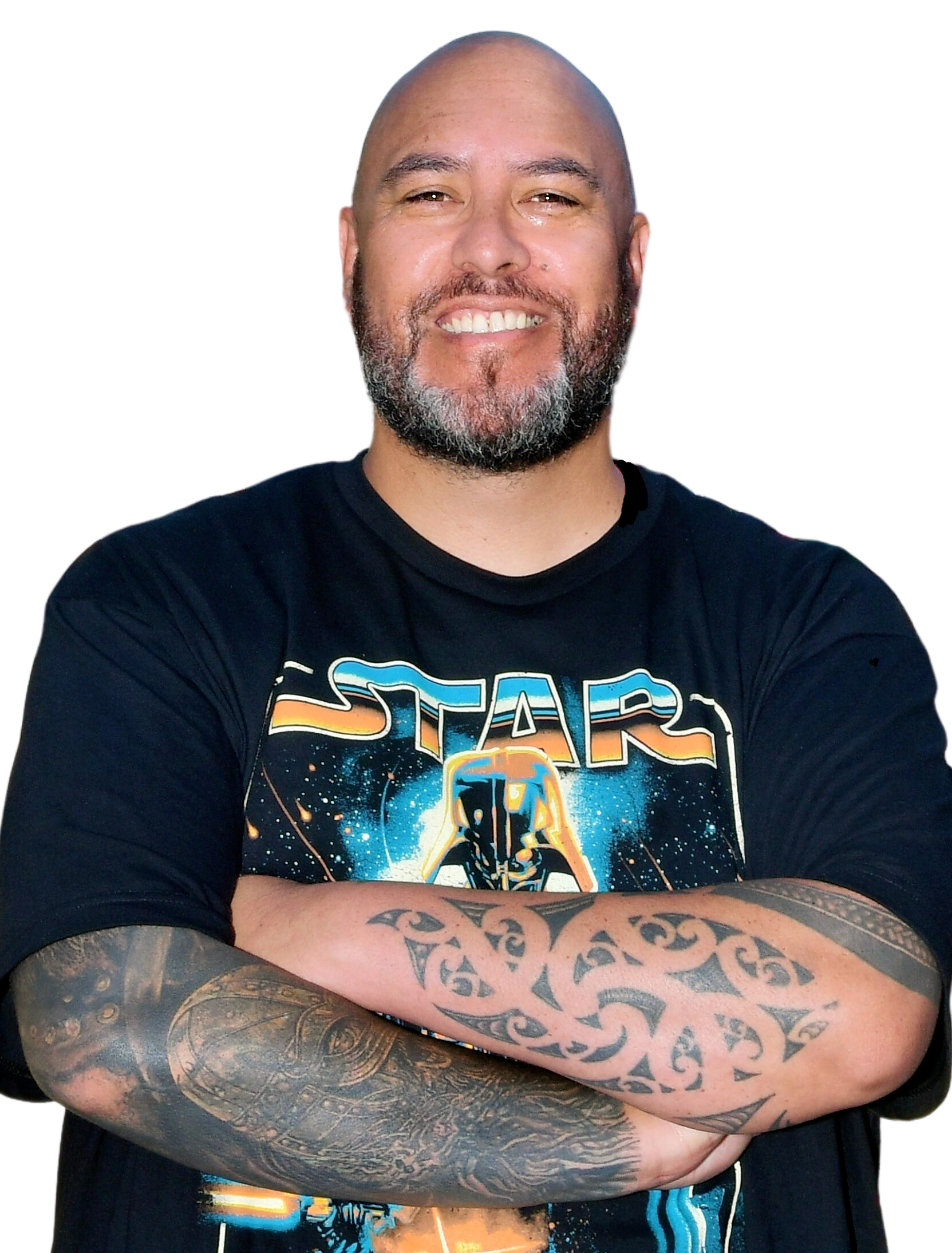
Jase Williams
We Are All Wired For Belonging, Connection, and Love
Day 1: 9:00AM - 10:00AM
This keynote invites educators to pause, reflect, and courageously reimagine early years learning spaces and learning through the lenses of belonging, connection, and love.
Drawing on relational neuroscience, indigenous ways of knowing and being, and decades of practice, the keynote explores how children’s needs, emotional safety, and cultural identity are upheld—or undermined—by the quality of the relationships that hold them. It offers a compassionate but challenging look at how exclusion happens quietly through disconnection, stress, and adult dysregulation, and how belonging is built through everyday acts of noticing, attunement, and love.
Speaker Biography
Jase Williams (Māori / Iwi - Tribe: Ngāti Tamaterā) is a dynamic TEDx and keynote speaker, award-winning educator, and author of Your Trauma Has A Whakapapa. With more than 25 years in education, he is recognised as one of New Zealand’s leading voices in compassionate, equity-centred, trauma-informed and relational neuroscience practice. Jase is known for bridging cutting-edge relational neuroscience with the depth of Indigenous knowledge systems, creating a culturally grounded model of education and wellbeing that transforms classrooms, communities, and organisations. His influence spans hundreds of early childhood centres, schools, and agencies, where he has supported thousands of educators, leaders, families, and young people toward practices rooted in belonging, connection, and love.
As Principal of Henry Hill School from 2012 to 2022, he led a nationally recognised trauma-informed transformation that earned the 2021 Prime Minister’s Education Excellence Award for Wellbeing. Today, Jase continues to drive change—facilitating professional learning, supporting community mental health and parenting initiatives, and advocating for systems that honour emotional safety, cultural identity, and healing. His work is known for its depth, authenticity, and unwavering commitment to equity.
🎙️ Keynote Speaker: Dr. Patrick Makokoro
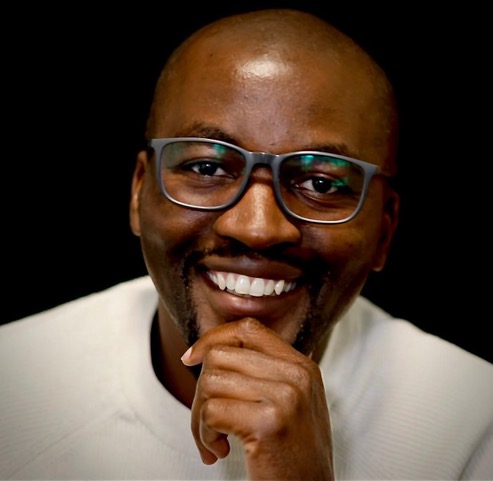
Dr. Patrick Makokoro
Inclusion: Shaping the future through Community Centred Pedagogy
Day 2: 9:00AM - 10:00AM
This keynote presentation introduces the transformative potential of HuUbuntu (pronounced as whoo-boon-too) philosophy—the African wisdom of "I Am Because We Are"—for honoring the rights of all children aged 0-8 to participate meaningfully in early childhood programs. Grounded in an ethics of care that builds responsive, democratic, and joyful relationships, the presentation demonstrates how HuUbuntu principles align with Indigenous Coast Salish knowledge systems to create environments where every child experiences a felt sense of belonging. Rather than viewing inclusion as fitting children with complex diagnoses into existing systems, HuUbuntu challenges and disrupts ableist assumptions embedded in educational practices, welcoming the "Other" with recognition of the unknowability and unpredictability of human relations. Through inquiry-based approaches that honor Indigenous and HuUbuntu perspectives, the keynote shows how children's differences are celebrated as expressions of human diversity that enrich entire learning communities while dismantling systems of oppression that marginalize neurodivergent children.
Speaker Biography
Dr. Patrick Makokoro (PhD) is an Assistant Professor (Jan-2026) for Early Childhood Development in the School of Child and Youth Care at the University of Victoria. An experienced social entrepreneur, he has practiced as a development consultant with interests in community development, social justice, early childhood education, child protection, advocacy and government relations.
With a career spanning over 23 years, Patrick has provided extensive consulting support to international non-profits working globally including UNESCO, Detroit Champions for Hope, Global Health &Education Strategies LLC among others. He also has previously served as Regional Director for Africa at Childhood Education International in Washington D.C. Among other social entrepreneurship initiatives, he founded the Nhaka Foundation, a charitable organization that increases access to early childhood development, meals, health care, psycho-social support, and other essential services to orphaned and vulnerable children in Southern Africa.
Patrick holds a BA in Community Development from the University of South Africa, a Post Graduate Diploma in International Youth and Child Care from the University of Victoria, an MSc in Development Studies from the Women’s University of Africa and a Ph.D in Educational Studies (Curriculum and Instruction) from the University of Victoria, Canada.
🗓️ Full Workshop Schedule
Day 1: February 20
Morning Session (10:15 AM - 12:15 PM)
Conference Multi Purpose Room (C0)
A1: Holding Hearts, Shaping Brains: Everyday Practices of Belonging and Connection
Speaker: Jase Williams (Māori / Iwi - Tribe: Ngāti Tamaterā)
Description:
This workshop explores how belonging feels in the body, how connection shapes the brain, and
how love becomes a daily practice. Educators learn simple, powerful ways to create predictable,
relational environments that support emotional safety, coregulation, cultural identity, and
connection.
Facilitator Bio ▼
Jase Williams (Māori / Iwi - Tribe: Ngāti Tamaterā) is a dynamic TEDx and keynote speaker, award winning educator, and author of Your Trauma Has A Whakapapa. With more than 25 years in education, he is recognised as one of New Zealand’s leading voices in compassionate, equity-centred, trauma-informed and relational neuroscience practice.
Jase is known for bridging cutting-edge relational neuroscience with the depth of Indigenous knowledge systems, creating a culturally grounded model of education and wellbeing that transforms classrooms, communities, and organisations. His influence spans hundreds of early childhood centres, schools, and agencies, where he has supported thousands of educators, leaders, families, and young people toward practices rooted in belonging, connection, and love.
As Principal of Henry Hill School from 2012 to 2022, he led a nationally recognised trauma-informed transformation that earned the 2021 Prime Minister’s Education Excellence Award for Wellbeing. Today, Jase continues to drive change—facilitating professional learning, supporting community mental health and parenting initiatives, and advocating for systems that honour emotional safety, cultural identity, and healing. His work is known for its depth, authenticity, and unwavering commitment to equity.
Conference room SA 317 (C0)
A2: Stretching our Bandwidth to Regulate Children and Youth (Neuroception)
Speaker: Alex Thompson
Description:
Adults who work with children can expand their windows of tolerance to co-regulate children and youth in times of stress. We can do this by tuning into our own sense of interoception and our emotions. This experiential workshop will provide a space for caregivers to explore their own sense of interoception, our sixth sense. Through a variety of activities, we will also learn about emotional literacy and a variety of evidence-based strategies and tools that can help us stretch our bandwidth to regulate the children and youth we care for.
Facilitator Bio ▼
Alex Thompson, Reg. OT (BC) is the executive director and founder of Power for All, a charity that has been offering nature-based occupational therapy services to clients of all ages and abilities in the Fraser Valley. Alex has a variety of credentials in the areas of early years and school age education, outdoor recreation, adventure therapy, mental health, trauma, yoga and occupational therapy. She shares her passion for an accessible world by teaching at the University of the Fraser Valley in education department. She is a speaker at national and international conferences and offers training at municipal Parks and Recreation departments, private and public-school districts, and community organizations. She has worked in Inuit communities and abroad in a variety of countries as a pediatric consultant. She is a published author and researcher in the Journal of Disability and Rehabilitation. In her spare time, she loves being in nature and volunteering for social justice and inclusive sport causes.
Conference room SA 119 (C0)
A3: Honouring Children with all Abilities: An Inclusive Learning Community
Speaker: Alisha Inch & Victoria Lam
Description:
Every child brings unique strengths, perspectives, and ways of engaging with the world. As educators, our role is not only to support children with varying abilities but to recognize and honour them as valued members within our learning communities. Centering relationships, observation, and respect, this workshop reflects the core value of seeing the whole child and recognizing each child’s right to belong. This workshop invites educators to reflect on their perceptions of children with different abilities, examine how these perceptions shape practice, and explore strategies to create environments where all children can thrive and feel connected.
Facilitator Bio ▼
Victoria Lim, ECE, ITE, SNE, has worked in the Early Years sector for more than a decade as an educator, college instructor, and childcare program director. She is passionate about creating environments where young children feel safe to explore their authentic selves and develop healthy nervous system and brain foundations. As a program director, she has seen firsthand the importance of high-quality staff training and strong partnerships with families in creating settings where children truly thrive.
With a commitment to strengthening Early Childhood programs globally, Victoria founded Evolving Minds ECE as a platform to share knowledge, practical tools, and professional insights with educators and leaders in the field.
Her professional journey strongly reflects the conference theme of inclusive pedagogies. Victoria has consistently championed approaches that ensure every child—regardless of background, ability, or circumstance—feels understood, supported, and valued. She emphasizes that inclusion is not only about strategies, but about reshaping environments and mindsets to nurture the full potential of every child.
Alisha Inch, ECE, has been an Early Childhood Educator for more than 25 years. In 2000, she moved to Romania, where she lived and worked with orphaned children for eight years. After returning to Canada, she taught preschool, opened her own center, presented professional development workshops, and now serves as a college instructor. Throughout her career, Alisha’s passion has remained rooted in being fully present with children—getting lost in play, imagining alongside them, and nurturing creativity in ways that stay with them for life. Through Evolving Minds ECE, she aims to share this passion and experience with fellow educators.
Alisha’s journey reflects a deep commitment to inclusive pedagogy. Her international experience with children facing adversity, combined with her work as an educator, leader, and mentor, has shaped her belief that every child deserves to be seen, understood, and supported in ways that honor their individual identities. She emphasizes that inclusion begins with relationships, empathy, curiosity, and responsive environments where children feel a genuine sense of belonging.
Conference room SA 305 (C0)
A4: Shifting Blame to Belonging: An Anti-Oppressive Child Welfare Framework for Partnering with Parents of Children with Disabilities
Speaker: Dr. Anita Ewan
Description:
In early childhood and child welfare systems, many families of children with disabilities report feeling judged, blamed, or excluded from meaningful partnership. This workshop introduces an anti-oppressive framework that challenges deficit narratives and positions parents as essential partners in their child’s growth and wellbeing. Drawing from lived experience, research, and community practice, Dr. Ewan will guide participants through critical reflections on systemic bias and equip them with strategies to shift from parent-blame to collaborative support.
Through interactive discussion, case studies, and collective re-imagining, participants will explore how inclusive practices grounded in equity, respect, and relational accountability can transform relationships with families. The session will leave educators, practitioners, and policy influencers with tools to disrupt oppressive patterns and foster belonging for all children and their families.
Facilitator Bio ▼
Dr. Anita Ewan, RECE, PhD, is a Registered Early Childhood Educator, Social Worker, Full Spectrum Doula, and Childbirth Educator with over 15 years of experience working alongside children and families in Canada. She holds a PhD in Social Work and has completed postdoctoral research in Public Health, with a focus on equitable perinatal mental health. Dr. Ewan is a faculty member in Early Childhood Care and Education at Capilano University, where she teaches leadership, advocacy, and policy. Her research and consulting work center on culturally safe, inclusive, and anti-oppressive practices in child development, child welfare, and family support systems. A mother of seven, including children with disabilities, she brings both professional expertise and lived experience to her practice. Dr. Ewan is also the founder of Ani’s Centre for Child, Family & Community Development, a nonprofit advancing advocacy and inclusive practice.
Conference room SA 309 (C0)
A5: Living Commitments to Inclusion: Tracing Everyday Shifts in Early Childhood Spaces
Speaker: Kelly Boca Santa Gesser
Description:
This interactive session invites educators to reflect on how inclusion is lived and sustained in the everyday moments of early childhood programs. Drawing on pedagogical work within the Early Childhood Pedagogy Network (ECPN), presenters will share stories and traces that foreground the small yet significant shifts that occur when educators hold space for difference, complexity, and belonging. Rather than offering a model to replicate, this session creates room for dialogue around the uncertainties, tensions, and possibilities of inclusive practice. Together, we will think about how commitments to inclusion move from words on a page into gestures, relationships, and decisions with children, families, and communities.
Facilitator Bio ▼
The Early Childhood Pedagogy Network (ECPN) creates space for vibrant public conversations about pedagogical projects and processes that matter to early childhood communities in British Columbia. Pedagogists from the government-funded Early Childhood Pedagogist Program, hosted by the ECPN, transform early childhood centres by working alongside educators and children in curricular projects that engage with the vision put forth in the B.C. Early Learning Framework.
ECPN pedagogist Kelly Boca Santa Gesser holds a master's degree in education and over a decade of experience in early childhood education. Her work is grounded in pedagogies of inclusion, environmental education, and collaborative curriculum-making, and reflects a commitment to strengthening early learning communities, where pedagogical choices are lived as relational and ethical acts.
Conference room SA 315 (C0)
A6: Reframe and Reconsider FASD and other Neurodevelopmental Differences
Speaker: Delena Hills & Allison Wong
Description:
This interactive workshop will explore how kids grow and how they react in tough situations, especially those common in children with FASD (fetal alcohol spectrum disorder). We’ll look at behaviour as a sign of missing skills—not as kids being difficult. Participants will learn how to understand things like repeating mistakes, mixing up facts and opinions, or refusing to do tasks they’ve done before. We’ll also talk about the skill of understanding belonging and ownership. Participants will get practical strategies to support skill-building. Together, we’ll explore what might really be going on, what skills are needed, and how to help. This session will help us all stay curious and committed to supporting every child in an inclusive way.
Facilitator Bio ▼
Delena Hills M.Sc., R-SLP(C), is a registered and certified Speech-Language Pathologist with over a decade of experience supporting children and youth with complex communication needs, including fetal alcohol spectrum disorder (FASD). She values caring for others, respecting different ways cultures approach learning, and believing that every child deserves to be seen, heard, and included—especially those who are easily misunderstood. She cares deeply about making big changes to the way systems work and is hopeful that even small changes can increase access for all children in early childhood education.
Allison Wong, MAL, BEd, has over 20 years of experience in the field of fetal alcohol spectrum disorder (FASD) and other complex needs and has had the privilege of working across clinical, education, nonprofit, justice, government, and business sectors. She is committed to helping elevate the voices of individuals and families with living experience, and to advocating to reduce systemic barriers for neurodiverse children, youth and adults.
Conference room SA 113 (C0)
A7: Reflections With/In/Through collective, responsive, and reciprocal Aboriginal Australian ways for the inclusion of all bodies and beings in early childhood education
Speaker: Dr. Kim Kinnear
Description:
This workshop seeks to create deep reflective spaces as an enabler for participants to expand thinking and realisations of inclusion in early childhood education. As the facilitator – who is a visually impaired Indigenous Australian early childhood teacher – I aim to utilise lived experiences of teaching in early childhood education to extend participants thinking of how inclusion may be reconceived and shaped in future so that all bodies and beings may equitably and always experience inclusion in all facets of early childhood. In doing so, children, families, early childhood educators and policy influencers can collectively embody wider experiences of inclusionary ways in all aspects of early childhood and advocate, respond, reciprocate and shape future inclusionary positionings.
Facilitator Bio ▼
Dr. Kim Kinnear’s academic work intersects across wide, but interconnective spaces. Kim is an Associate Director for Research and an Indigenous Knowledges Senior Lecturer at the National Indigenous Knowledges Education Research Innovation (NIKERI) Institute at Deakin University on Wadawurrung Country in Geelong, Victoria, Australia. She is a proud descendant of the Adnyamathanha and Nukunu Peoples and Country in South Australia and actively works to speak to past and current colonizing harms experienced upon and to First Nations People and their Indigenous Communities in Australia. Kim is an early childhood educator with vast experience in a wide range of services, actively bringing Indigenous knowledges to the foreground with all children, families and colleagues as part of challenging, reflective, inclusive and just pedagogical practices. She also lives as a legally blind person alongside her assistance dog Raya. Kim completed her PhD by working as an early childhood teacher and actively writing autoethnographic accounts about her lived experiences and how it is to live with disability and work as a teacher.
Afternoon Session (02:00 PM - 04:00 PM)
Conference Multi Purpose Room (C0)
B1: Co-Regulation: Creating spaces of belonging begins with YOU!
Speaker: Julia Black
Description:
What is inclusion asking of us as educators? How are we responding? The Early Childhood Educators of BC’s (ECEBC) Statement on Inclusion (2024) asserts that inclusion is an urgent political concern in early childhood education and the broader global community. As educators, parents, therapists, and community members, we have experienced or witnessed acts of exclusion. Within our classrooms, we have an ethical responsibility to respond, to do better. Within our classroom spaces, we hold the possibility of being change-makers—you create the culture of inclusion— and this is hard work!
In this workshop, we will focus on you- how are you showing up for the children and families in your program? Inclusion begins with the capacity to be present, attuned, and regulated ourselves. Is your nervous system steady enough to hold space for another? Using Polyvagal Theory (Porges, 2017) as a foundation, we will explore how our own nervous systems—and those of the children and youth in our care—shape every moment, interaction, behaviour and experience in our classrooms. Participants will examine how co-regulation fosters a sense of felt safety, and contributes to environments where every child feels seen, supported, and truly belongs.
Participants will leave with practical approaches to support their own nervous system regulation, positioning them to engage with children and families responsively and to cultivate authentic spaces of belonging for all children.
Facilitator Bio ▼
Julia Black, ECE, MBA, has been a certified Early Childhood Educator in British Columbia since 1994. She has taught in the Early Childhood Care and Education program at Capilano University since 2007 and served as program coordinator from 2019 to 2025. Julia is currently pursuing graduate studies in Educational Neuroscience at Butler University, with a focus on adversity, trauma, and neurodevelopment, and a Doctor of Education at Western University.
Julia actively contributes to the early childhood sector through leadership roles in policy and governance, including service on the Provincial Child Care Advisory Council, co-chairing the BC Post-Secondary ECE Articulation Committee, and serving on the boards of the BC Association for Child Development and Intervention and Sea to Sky Community Services Society. Her work is guided by a commitment to the ethics of care, equity, and felt belonging, informed by her experiences as a parent of a neurodivergent teen. She focuses on trauma-responsive, neurodiversity-affirming, and relational pedagogies that foster co-regulation and the cultivation of kind, inclusive early childhood environments that advance the agency, rights and wellbeing of children, families, and educators alike.
Conference room SA 317 (C0)
B2: Learning Outside Together: Children Grow Strong on the Land
Speaker: BC Aboriginal Child Care Society
Description:
When we take children outside their bodies, minds, and spirits come alive. Learning Outside Together (LOT) was created after educators saw how children flourished during the pandemic when they spent more time outdoors. Children were calmer, happier, more engaged, and more connected — to themselves, to each other, and to the land.
This workshop invites educators to step into that learning. Together, we will explore the ways that time outside helps children grow strong — physically, emotionally, culturally, and spiritually. We will share stories from the LOT program that highlight how the land can be a powerful teacher, drawing on Indigenous perspectives that remind us that we are all in relationship with the natural world.
Participants will also learn about the free LOT program, which connects educators across BC through weekly online gatherings, peer mentorship from LOT graduates, and a growing community of passionate practitioners who believe in the power of nature for all children. This is a warm invitation to dream together about what is possible when we follow the children outside and listen to what the land is teaching us.
The LOT program, jointly owned and administered by ECEBC, BCACCS and SRDC, is funded by the Future Skills Centre, an anonymous donor, and the Government of British Columbia to ensure the program is free of charge.
Facilitator Bio ▼
The Aboriginal Child Care Resource and Referral (ACCRR) (A BCACCS program) program provides culturally based services and resources to support early childhood educators, families, and communities. BCACCS’ ACCRR team partnered with ECEBC and SRDC in developing and implementing the Learning Outside Together program.
Conference room SA 119 (C0)
B3: Storytelling from the Heart of Africa- African Oral Storytelling Tradition
Speaker: Mekdes Gete
Description:
This interactive workshop invites participants into the rich world of oral storytelling, with a special focus on African storytelling traditions and their cultural significance. Through a blend of demonstration, movement, and hands-on exploration, participants will learn oral storytelling techniques, storytelling-through-yoga strategies, and creative approaches such as felt board stories, story-in-a-box activities, and the integration of songs and rhythm. A visual presentation will introduce key African storytelling methods, highlighting their purpose, history, and the ways storytelling has been used to preserve tradition and strengthen community across generations.
Participants will have the opportunity to practice weaving movement and song into their own storytelling, deepening engagement and supporting children’s embodied learning. By the end of the session, educators will leave with increased awareness, confidence, and cultural understanding to share authentic and respectfully chosen African stories with young children. A curated list of books, songs, and African folk tales will be provided, and an African Educational Kit will be available for viewing.
Facilitator Bio ▼
Mekdes Gete, ECE, is an Early Childhood Educator, Certified Montessori Teacher, BCRPA Certified Group Fitness Instructor, Fit Flow Yoga and Children’s Yoga Teacher, and Storyteller. With over 24 years of experience in early childhood education across licensed childcare centres in the Greater Vancouver area, Mekdes’ career reflects a deep and enduring commitment to teaching, nurturing and inspiring children. In addition to her extensive classroom experience, she has mentored student teachers for many years, supporting the next generation of educators with care, guidance and professional insight.
Driven by a lifelong passion for cultivating curiosity, compassion, and cultural connection in young learners, she founded the Hibert Cultural School Society, a charitable organization where she now serves as Executive Director and teacher. Mekdes’ work continues to be rooted in a belief in the transformative power of responsive, heart-centred education.
Conference room SA 305 (C0)
B4: Sensory Support as Universal Practice: Creating Responsive Early Learning Environments where all Children Thrive
Speaker: Marlo Humiska
Description:
This workshop invites participants to explore neurodiversity and how sensory processing is a powerful lens for meaningful engagement in early childhood environments (ages 3 and up). Together we’ll examine all eight sensory systems (including the lesser-known proprioception, vestibular, and interoception), and how an individual’s profile shapes regulation, communication, and learning. Shifting away from deficit-based models towards a strengths-based, neuroaffirming approach, participants will learn how to reframe behaviour as meaningful communication and understand why sensory support is essential for engagement and inclusion. Practical strategies for self-regulation, co-regulation, and sensory-informed environments will equip participants to create spaces that honour diverse ways of thinking, feeling, and being.
Understanding sensory processing can unlock deeper connections and more effective support for all children—with or without a diagnosis. This session highlights how curiosity, empathy, and sensory awareness can help us meet the needs of all learners, especially in a time when access to vital supports within BC systems remains limited.
Facilitator Bio ▼
Marlo Humiska, (she/they), is an enthusiastic educator with over a decade of experience developing inclusive education programs that center family engagement, social-emotional learning, and neurodiversity. Her work is grounded in creating affirming spaces where all learners feel seen, supported, and empowered.
Marlo is the Senior Manager of Early Years Programs at LDS - Learn. Develop. Succeed. She oversees Early RISErs, a unique learning program with parent or guardian participation that brings families and early childhood specialists together to play, connect, and learn. The program emphasizes social-emotional learning, sensory regulation, and communication support to foster meaningful engagement and supportive relationships. She also oversees the RISE One-to-One learning support program for school-aged children.
Marlo collaborates with other educators and organizations to design professional development workshops that promote inclusive, trauma-informed, and strengths-based practices. Her facilitation style is rooted in curiosity and radical care, and she brings a deep belief in the power of connection and honouring each learner’s identity and unique journey.
Conference room SA 309 (C0)
B5: Beyond Access: Cultivating Inclusive Spaces Through Hospitality and Relational Practice
Speaker: Sara Sutherland, Kelly Pickford, Adrienne Argent, Julia Tevelle
Description:
Inclusive practice is more than welcoming children with special rights; it is the responsibility we hold as early childhood educators to create spaces that honour and celebrate diversity. This workshop is designed to inspire educators and to provoke a different way of thinking about inclusivity. We will create space to engage in group dialogue and think deeply together on the topic of inclusion. What does it mean to welcome children and families through the lens of hospitality? How do we take seriously the concept of making our environment successful for children, as opposed to making children successful in our spaces?
Facilitator Bio ▼
Sara Sutherland, ECE is the Director at the Capilano University Children’s Centre. Sara is inspired by the challenges of pedagogical leadership and what this form of leadership might open up in terms of possibilities for the collective life of a child care centre. She feels privileged to work alongside a pedagogist and an atelierista and is passionate about inclusion and dismantling the barriers between managerial and pedagogical practices.
Adrienne Argent, MEd., ECE, holds roles as an instructor in Early Childhood Care and Education at Capilano University and pedagogist at The Children’s Centre, which serves as a lab school setting. In her work with ECCE students, teachers, and children she is concerned with the co-creation of vibrant cultures of collectivity and relational pedagogical projects. She holds a special interest in cultivating pedagogical dispositions and conditions that generate new ways of thinking and enacting situated and responsive early childhood practices.
Kelly Pickford, B.ECCE, ECE/SN/IT is a mother and early childhood educator, and manager at the Fulmer Family Children’s Centre. She is keenly interested in social justice, pedagogical practice, and sustainable life-worlds. As a manager, she is committed to disrupting hegemonic practices and universal understandings that marginalize children, families, and communities.
Julia Tevelle, B.ECCE is an early childhood educator at the Capilano University Children’s Centres and a graduate of Capilano University’s Bachelor of Early Childhood Care and Education program. As an educator, she is deeply committed to cultivating practices that place community, diversity and belonging at the heart of pedagogical work. She is passionate about reimagining inclusion collaboratively through open, thoughtful, and truthful conversations that hold space for both its transformative possibilities and its lived complexities.
Conference room SA 315 (C0)
B6: Embracing Tensions: Encounters with tough topics
Speaker: Tessy Vanderhaeghe
Description:
One year after committing to more inclusive spaces, this workshop invites us to reflect on what we’ve carried forward, what’s shifted, and where we still feel unsure or stuck. In this interactive, session, we’ll reflect on how early childhood environments can continue to support gender expression, challenge limiting norms and gender stereotypes, and reflect the wide diversity of families, identities, and ways of loving that children see around them. Through examples, activities, and open discussion, we’ll explore how our everyday choices (books, toys, language, reactions) can either open up space or quietly close it. This session is an opportunity to revisit and question what we’ve implemented, notice what still needs shifting, and reconnect with our role in helping each child feel seen, respected, and valued.
Facilitator Bio ▼
Tessy Vanderhaeghe is a sexual health educator through Options for Sexual Health with a Master’s degree in Gender Studies. For years, she has been working across the Province, leading workshops for children from kindergarten through grade 12 to help them understand body autonomy, consent, and healthy relationships in positive, inclusive ways. Tessy has also offered presentations for teachers, early childhood educators, and parents of children aged 0-5, providing them with the confidence to discuss these important topics with young children. She has contributed segments on sexual health education for Radio Canada, sharing her passion for inclusive and accessible learning. Earlier this year, Tessy published a book for parents and caregivers on inclusive an positive sexuality education for children ages 0-12. At the heart of her work is a deep commitment to creating environments where every child feels respected, included and supported.
Conference room SA 113 (C0)
B7: Writing disability and neuro-inclusivity Otherwise: Co-creating activist-practitioner-research in early childhood early childhood education
Speaker: Dr. Ame Christianson
Description:
In this workshop we explore writing as a generative and creative process for activating activist-practitioner-researcher subjectivities in early childhood learning ecologies. Thinking critically about what we know and can do, we will make visible the universalising logics of development which can unintentionally reinforce ableism and neuro-normativity. You’ll learn how to activate quick, everyday writing practices which attend to uncertainty and can be used by teachers and educators to disrupt, re-think and re-story our taken for granted ways of encountering disability and neurodiversity. Positioning disabled and neurodivergent children and adults as capable co-creators, we’ll explore how we might re-story disability and neuro-inclusivity in ways which honor intersectional justice and equity by centering the relational agency and capabilities of people, materials and place.
Facilitator Bio ▼
Dr. Ame Christiansen, EdD, is an Autistic senior lecturer and early career researcher at the University of Melbourne Faculty of Education and Global Childhoods Research Hub. Ame's writing, teaching and research reconceptualises inclusion - activating relational ways of knowing and being which centre people and place to amplify the lived experiences of disabled and neurodivergent children and teachers. Her doctoral research was awarded the John Smyth Award for research excellence in the Doctor of Education in 2024. Ame’s current research is a neurodivergent-led a/r/tography project exploring the lived experiences of neurodivergent early childhood teachers and educators in Australia.
Ame's professional experience spans inclusion support, community development, local government, early childhood and tertiary education. Skilled in building, facilitating and coordinating professional communities of practice, Ame is a co-founding member of the Early Childhood Outdoor Learning Network (ECOLN). Since 2014 ECOLN - a practitioner-led, Not for Profit organisation - has grown from 7 strangers interested in outdoor learning to a professional association connecting over 200 educators, researchers and service providers through an annual conference and professional training program. ECOLN’s advocacy and partnerships have resulted in Bush Kinder being included in the School Readiness Funding Menu and the Victorian Bush Kinder grants program.
ECCE Studio SA 111 (E0)
B8: In Studio Invitations
Speaker: Dr. Tatiana Zakharova-Goodman & Mirae PinPin
Description:
This experimental workshop will be held at CapU Squamish ECCE studio space. Participants will be invited to move collectively, together with others and with materials and artistic processes, through a series of provocations that ask them to consider how might inclusion feel like, look like, move like, sound like, or even taste like in the studio? The intention of the workshop is not to provide a model of inclusionary practice, but rather to stay with the uncertainty of collective experimental encounters with materials and questions, stories and wonderings, bodies and tensions. In this, the workshop takes inspiration from Pacini-Ketchabaw, Kind, and Kocher’s (2024) invitation to open ECCE practice to encounters that “provoke us to think and feel, attach us to the world and detach us from it, force us into action, demand from us, prompt us to care, concern us, bring us into question” (p. 1).
Facilitator Bio ▼
Dr. Tatiana Zakharova-Goodman, PhD, (she/her) is an instructor and atelierista at the School of Education and Childhood Studies, Capilano University. Atelierista, as described in BC Early Learning Framework (B.C. Ministry of Education, 2019), is an educator working with children and early childhood educators facilitating artistic engagements and studio interventions, often alongside a pedagogist. The work of atelierista focuses on fostering the responsive practices of attending to and sustaining, through artistic processes and materials, engagement with ideas vital to curricular inquiries and pedagogical orientations. The curricular and arts-based research practices are not carried out by atelierista alone but are taken up as a collective inquiry between children, atelierista, and educators.
Mirae Pinpin, ECE, ITE, SNE (she/her) is the Child Care Program Coordinator at Britannia Childcare and a graduating student at Capilano University. Mirae's career is centered around authentic care, well-being and inclusion of all children. At Britannia, she manages several centers which includes mentorship of educators, supervisors and strives to cultivate a culture of thoughtful, intentional and enlivened pedagogical practice in collaboration with children, atelierista and a pedagogist.
Day 2: February 21
Morning Session (10:15 AM - 12:15 PM)
Conference Multi Purpose Room (C0)
C1: HuUbuntu: I Am Because We Are - Collaborating, Questioning, Disrupting, and Reimagining inclusive pedagogies
Speaker: Dr. Patrick Makokoro
Description:
This workshop invites educators to create spaces where children’s voices drive educational decisions by honoring community, context, and culture when working with young children. Participants will explore justice-oriented practices that transform early childhood programs into places where children are genuinely valued, and inclusion is a collective responsibility. Through joyful, collaborative practices that center children’s rights and community transformation, participants will leave with practical strategies to reimagine their everyday work with young children and their families.
Facilitator Bio ▼
Dr. Patrick Makokoro PhD) is an Assistant Professor (Jan-2026) for Early Childhood Development in the School of Child and Youth Care at the University of Victoria. An experienced social entrepreneur, he has practiced as a development consultant with interests in community development, social justice, early childhood education, child protection, advocacy and government relations.
With a career spanning over 23 years, Patrick has provided extensive consulting support to international non-profits working globally including UNESCO, Detroit Champions for Hope, Global Health &Education Strategies LLC among others. He also has previously served as Regional Director for Africa at Childhood Education International in Washington D.C. Among other social entrepreneurship initiatives, he founded the Nhaka Foundation, a charitable organization that increases access to early childhood development, meals, health care, psycho-social support, and other essential services to orphaned and vulnerable children in Southern Africa.
Patrick holds a BA in Community Development from the University of South Africa, a Post Graduate Diploma in International Youth and Child Care from the University of Victoria, an MSc in Development Studies from the Women’s University of Africa and a Ph.D in Educational Studies (Curriculum and Instruction) from the University of Victoria, Canada.
Conference room SA 317 (C0)
C2: Circle of Care: Supporting Indigenous Families at Ayas Lam Family Program
Speaker: Carmen Hartle, Tanya Brown, & Roseanne George
Description:
The Ayas Lam Family Program, an Aboriginal Head Start program located in the village of Stawamus in the Squamish Valley, is dedicated to protecting and strengthening Indigenous families with children ages 0–6. Grounded in Sḵwx̱wú7mesh values, teachings, and worldviews, the program offers culturally specific parenting and child development support aligned with the six components of Aboriginal Head Start: culture and language, education, health promotion, nutrition, family involvement, and social support.
This workshop introduces the Ayas Lam Circle of Care philosophy, a holistic and relational approach that honors children, families, land, and community. Participants will explore four interconnected pillars:
1. All Children Belong
Inclusion means every child—regardless of ability, background, or identity—is welcomed, supported, and celebrated. The program centers the cultural identities of Sḵwx̱wú7mesh families while embracing the diversity of all families who participate.
2. Culturally Inclusive Environments
Educators create spaces where Indigenous children feel seen, heard, and valued by incorporating Sḵwx̱wú7mesh language, stories, art, and land-based learning into daily routines.
3. Curriculum
Learning experiences are shaped through Indigenous pedagogies such as Land as Teacher and All My Relations. Elders, Knowledge Keepers, and Cultural Workers play a vital role in curriculum development, storytelling, and guiding reflective practice.
4. Family & Community Engagement
Strong relationships are built through consistent, respectful communication—whether during daily interactions, community events, or on-the-floor conversations. The program offers flexible, community-responsive supports at various times of day and collaborates with partner programs to strengthen collective learning.
This workshop invites participants to consider how culturally rooted, community-centered practices can nurture belonging and support Indigenous children and families in meaningful, relational ways.
Facilitator Bio ▼
Carmen Hartle is a dedicated manager, early childhood educator, and community advocate with the Ayas Lam Family Program, and a proud member of the Squamish Nation. She brings a deep commitment to Indigenous ways of knowing, weaving traditional practices into every aspect of her work. Guided by the Circle of Care philosophy, Carmen, and the staff, champions inclusive environments, land-based learning, and family empowerment—ensuring that every child is welcomed, celebrated, and supported. Through meaningful collaboration with Elders, Knowledge Keepers, and community partners, she helps integrate traditional teachings with holistic, community-driven approaches to early learning.
Tanya Brown brings 30 years of experience in the early childhood education field with a focus on child development and implementing inclusive early years services. She has a strong background in supporting Indigenous communities in creating inclusive environments and reducing barriers to increasing access to services. Tanya is currently the Director of Ayás Mén̓men Child & Family Services and is honored to be welcomed into the Sḵwx̱wú7mesh Úxwumixw and values the teachings and experiences that have fostered her growth in this field.
Roseanne George is a respected Elder of the Squamish Nation and Mount Currie, and the founding program coordinator of the Ayas Lam Family Program. Over 25 years ago, Roseanne stood at the heart of its humble beginnings—welcoming families in borrowed spaces across Squamish and nurturing a vision rooted in inclusion, cultural pride, and parenting advocacy. Her unwavering commitment helped shape Ayas Lam into the vibrant, community-driven program it is today. As attendance grew, so did the need for a permanent home, and Roseanne’s leadership was instrumental in securing a dedicated space where families and children continue to thrive.
Conference room SA 119 (C0)
C3: Supporting Sexual Health and Safety for Neurodiverse Children
Speaker: Landa Fox
Description:
In this workshop, participants will learn about sexual health and safety development in childhood. Participants will be challenged to reflect on biases that exist when considering the intersections of sexuality and neurodiversity. Participants will gain skills and knowledge to help support sexual health and safety, with a focus on neurodiversity affirming approaches. Participants will learn and practice effective ways to respond to sexual behaviours and questions when they occur.
Facilitator Bio ▼
Landa Fox, MA, MACP, BCBA, (she/her) is a Board Certified Behaviour Analyst (BCBA), Registered Behaviour Analyst (Ontario) and Certified Sexual Health Educator living and working in lək^ʷəŋən
Territory (Victoria, British Columbia). She has worked in the field of autism and disability support since 2003. She holds two Master’s degrees, one in Special Education and one in Counselling Psychology.
Landa’s work focuses on sexual health, relationship, and safety education for autistic and neurodivergent people. Her work centers around creating and modifying sexual health and relationship education to be meaningful, accessible, and inclusive. She also works to create behaviour support plans to address contextually inappropriate sexual behaviour. Her work is rights-based, grounded in principles of inclusivity, harm reduction, and supporting neurodivergent experiences. She trains caregivers, teachers, staff, and communities about sexual health development and inclusive sex ed. Her special interests within the area of sexual health education include how to promote a culture of consent and body autonomy for autistic children and youth, developing affirming and rights-based sex education, and advocating for access to sexuality and sexual health for everyone.
Conference room SA 305 (C0)
C4: Hands-On-Inclusion: Supporting Deaf and Hard of Hearing Children in Early Childhood Classrooms
Speaker: Charmaine Francis, Shanna O'Coin & Julia Szefer
Description:
This interactive workshop invites early childhood educators to engage in practical, hands-on activities that build capacity to include Deaf and hard of hearing (DHH) children in mainstream early childhood classrooms. Through collaborative, experiential activities, participants will explore multimodal communication strategies, inclusion practices, and classroom adaptations that promote language access and nurture belonging. The workshop and its activities will be presented by two hearing presenters in spoken English, and one Deaf presenter in American Sign Language (ASL-English interpretation will be requested). Activities will emphasize the use of visual strategies, classroom adaptations, and inclusive activities and circle-time routines, leaning into the lived experience of a Deaf Early Childhood Educator. Together, we will reflect on how these practices not only enhance language access for DHH children but also strengthen the learning environment for all children. Participants will leave with concrete tools and strategies aligned with inclusive pedagogies.
Facilitator Bio ▼
Charmaine Francis is a Program Coordinator with the BC Family Hearing Resource Society (BCFHRS) and has been a Speech-Language Pathologist (SLP) for 15 years. She is passionate about fostering inclusive environments where Deaf and hard of hearing children and their families feel empowered and supported. Charmaine has extensive experience providing individualized, family-centered services from birth to kindergarten-entry. At BCFHRS, she has facilitated a wide range of workshops and programs, including parent-child language groups, parent and professional workshops, and conference presentations. She is also committed to shaping the next generation of early childhood practitioners through her role as a clinical educator in the University of British Columbia’s SLP graduate program. Charmaine’s advocacy for inclusive early intervention is reflected in her involvement with the BC Early Hearing Program Sign Language Advisory Group and her involvement in the creation and oversight of Communication Stars Specialized Childcare, BCFHRS’s bilingual-bimodal (ASL and English) childcare program. She lives in Coquitlam with her husband and two young children. In her spare time, she enjoys game nights, baking, crafting, and recently started dragon boating.
Shanna O’Coin, first began her journey with the Deaf community when she took an ASL course in university, so when her third child was born with hearing loss, she was eager to continue learning ASL and to join the Deaf community to support their development. As a parent who has been on this journey with her child, she witnessed the need for qualified educators who could sign and began her ECE journey. She has many years of experience working with children in various roles, from being a nanny to a summer camp counselor, an after-school program coordinator, an assistant preschool teacher, and of course, raising her own three children. Her years of experience with children as well as her administrative and event coordinating experience gives her a unique skill set to organize and plan curriculum too. Shanna is the ECE team lead at Communication Stars Specialized Childcare. In her free time, you can find her watching movies with her family, sewing, practicing her photography skills, baking, and playing video games.
Julia Szefer is Deaf and bilingual, with ASL as her first language. Her journey in the Deaf community began early at Deaf Children’s Society of BC, The Elks Family Hearing Resource Centre (now BCFHRS), and later the BC School for the Deaf. She went on to earn her Bachelor’s degree in Early Childhood Education from Gallaudet University. The only Deaf person in her family, Julia has built a vibrant life with her Deaf husband and their two CODA (Child of Deaf Adult) children. Over the years, she has volunteered and worked in a variety of roles with children and families – d/Deaf, hard of hearing, hearing, CODA, and SODA (Sibling of Deaf Adult) – through BCFHRS, Deaf Youth Today, Deaf Children’s Society of BC, and other organizations. Today, she brings her passion for language and learning to her roles as an Early Childhood Educator in the Communication Stars Specialized Childcare program and as a Sign Language Consultant with BCFHRS, where she teaches ASL to families. When she’s not working, Julia loves getting creative with arts and crafts, playing games with her family, cooking and baking, and spending time outdoors camping and exploring.
Conference room SA 309 (C0)
C5: Yoga and Mindfulness for Neurodivergent Children
Speaker: Karen LeSage
Description:
Participants will learn how to adapt yoga practices for children and youth who are neurodivergent. We will practice how to transform movement, breathwork and mindfulness practices to suit every learner’s needs. Explore how to create a safe, trauma-informed space for everybody. This is a hands-on class where participants will practice various methods and activities.
Facilitator Bio ▼
Karen LeSage, ECE, ITE, SNE is a neurodivergent woman with over 30 years of experience working with children from birth to nineteen years of age in childcare and community settings. She is passionate about creating spaces where all people are welcome. She uses yoga, mindfulness and gratitude practices as a platform to help people connect with themselves and others and find their place in the world.
Karen is a licensed Early Childhood Educator, Infant/Toddler Educator and Special Needs Educator, a certified Community Resiliency Model® Teacher, a registered 200-hour Yoga Teacher, a 95-hour Children's Yoga Teacher and a certified Prenatal Yoga Teacher.
Conference room SA 315 (C0)
C6: Reflections With/In/Through collective, responsive, and reciprocal Aboriginal Australian ways for the inclusion of all bodies and beings in early childhood education
Speaker: Dr. Kim Kinnear
Description:
This workshop seeks to create deep reflective spaces as an enabler for participants to expand thinking and realisations of inclusion in early childhood education. As the facilitator – who is a visually impaired Indigenous Australian early childhood teacher – I aim to utilise lived experiences of teaching in early childhood education to extend participants thinking of how inclusion may be reconceived and shaped in future so that all bodies and beings may equitably and always experience inclusion in all facets of early childhood. In doing so, children, families, early childhood educators and policy influencers can collectively embody wider experiences of inclusionary ways in all aspects of early childhood and advocate, respond, reciprocate and shape future inclusionary positionings.
Facilitator Bio ▼
Dr. Kim Kinnear’s academic work intersects across wide, but interconnective spaces. Kim is an Associate Director for Research and an Indigenous Knowledges Senior Lecturer at the National Indigenous Knowledges Education Research Innovation (NIKERI) Institute at Deakin University on Wadawurrung Country in Geelong, Victoria, Australia. She is a proud descendant of the Adnyamathanha and Nukunu Peoples and Country in South Australia and actively works to speak to past and current colonizing harms experienced upon and to First Nations People and their Indigenous Communities in Australia. Kim is an early childhood educator with vast experience in a wide range of services, actively bringing Indigenous knowledges to the foreground with all children, families and colleagues as part of challenging, reflective, inclusive and just pedagogical practices. She also lives as a legally blind person alongside her assistance dog Raya. Kim completed her PhD by working as an early childhood teacher and actively writing autoethnographic accounts about her lived experiences and how it is to live with disability and work as a teacher.
Conference room SA 113 (C0)
C7: Moving from theory to embodiment: Supporting vulnerable learners through nervous system awareness
Speaker: Lauren Baldwin
Description:
Children’s behaviour becomes more understandable when viewed through the lens of the nervous system. This workshop invites early years educators to move beyond theory to embody nervous system awareness in daily practice. Participants will explore how their own regulation and presence support felt safety, belonging, and engagement for all learners—particularly those with vulnerable nervous systems, including PDA-autistic children. Drawing on experience as a Waldorf early years educator, craniosacral therapist, and parent coach for families of neurodivergent learners, Lauren Baldwin guides participants through interactive, experiential activities and reflective dialogue. Attendees will leave with practical strategies to create responsive, relational learning environments that nurture curiosity, connection, and co-regulation, fostering conditions where both children and adults can thrive.
Facilitator Bio ▼
Lauren Baldwin is a Waldorf early years educator, craniosacral therapist, and parent coach who supports families of neurodivergent learners. Grounded in nervous system awareness and relational pedagogy, her work helps adults—parents and educators—become sources of co-regulation and felt safety for children. She emphasizes seeing behaviour as communication and nurturing connection, belonging, and understanding for children with vulnerable nervous systems.
As an adoptive parent of children who have experienced early trauma, Lauren has deepened her commitment to attachment, regulation, and embodied awareness as pathways to healing relationships. She co-facilitates a support group for parents of PDA children, providing guidance, reflection, and community connection.
Her background facilitating Indigenous-focused community workshops—honouring hands-on learning, identity, and connection—further informs her experiential and relational approach. Lauren has co-presented at the Sḵwx̱wú7mesh Early Years Conference on PDA and the nervous system and continues to support adults in developing reflective, responsive practices that help children feel safe, seen, and empowered.
Afternoon Session (02:00 PM - 04:00 PM)
Conference Multi Purpose Room (C0)
D1: Inclusion through Sensory Experiences
Speaker: AmandaEve Slattery
Description:
For many people, sensory input affects their sense of safety, sense of place, belongingness,
and inclusion. Last year, participants explored the eight sensory systems, how these are
reflected in their work/learning environments, and how unmet sensory needs can influence
stress responses. Participants were challenged to consider how their spaces could be adjusted
over the next week, 3 months, and year to help more students (and staff!) develop a sense of
belonging in those spaces. This year, participants will reflect on the ways they have adjusted
their spaces, share stories about what has been helpful, and problem solve together how to
create more accessible spaces. Participants will consider practical ways they can meet
seeking, avoidant, and dynamic sensory needs. Participants will also consider ways they can
get input from children directly about their own needs.
Facilitator Bio ▼
Maeve Slattery is an inclusion education teacher with Traditional Learning Academy, a
provincial online learning school in BC. She holds a Master in Applied Linguistics, and is
currently studying a BA Honours Psychology at Vancouver Island University where she is a
lab coordinator of the Fear & Anxiety Research Lab.
Maeve has a wide range of professional development trainings including Stuart Shanker’s Self-Reg Foundations Certificate, Ross Greene’s CPS Advanced Training, Kelly Mahler interoception trainings, and Shelley Moore’s training for Inclusive and Competency Based IEPs. She has attended conferences with organizations like BCEdAccess, Autism Awareness Centre, and the Child Institute of Psychology. She has lived experience with both inherited and acquired neurodiversity as an
autistic survivor of traumatic brain injury. Maeve lives in Nanaimo, BC with her partner (AuDHD-PDA) and two children (AuDHD-PDA and AuDHD).
Conference room SA 317 (C0)
D2: A Bridging of Worlds with a Community Approach
Speaker: Ana Valle Rivera, Kayla Papalia, Ilam Muralidharan
Description:
This workshop invites participants into the pedagogical journey unfolding at Blossoming Niños, where children, educators, families, and more-than-human worlds co-construct a living curriculum of care and belonging. Anchored in Ana’s master’s-level inquiry project, the work began by noticing and documenting everyday moments of care. These moments were transformed into vignettes that were shared with the children, opening space for deeper reflection on belonging and community. As children and educators named the people, places, materials, and more-than-human beings that shape their days, their words were gathered into collective word maps that invited further dialogue across the community.
Conversations with families expanded the inquiry, prompting questions about what counts as “academic” or “non-academic” in early childhood programs and drawing on Moss (2019) to imagine alternative narratives. Throughout the workshop, Kayla will share the Blossoming Niños philosophy and its pedagogical commitments to community; Ilam will describe the work with children and more-than-human worlds that pre-dated the inquiry; and Ana will offer an overview of the inquiry process and what emerged. Together, they will also introduce Spill the Tea, a monthly gathering where children, educators, and families come together to bridge worlds through shared dialogue and world-making practices.
Offered as an alternative to dominant academic/non-academic discourses, this workshop explores how noticing care, centering belonging, and resisting deficit narratives can support educators in responding ethically and imaginatively within their own contexts.
Facilitator Bio ▼
Ana Valle Rivera, ECE, MEd, is a proud mother of three, a consultant, and the founder of Early Years Thriving. Since 2007, Ana has worked in various capacities in the early years field to support children, families, and educators. Ana has a background in ECE, a Bachelor’s Degree in Child & Youth Care, and a Master’s of Professional Education in Early Childhood Education.
Kayla Papalia, ECE, is an Early Childhood Educator, a College Instructor, the host of the ECE Honestly podcast, and the owner of Blossoming Niños Multi-Age Child Care program. Kayla has been in the field for over a decade, and she uses her voice and platform to advocate for Educators.
Ilam Muralidharan, ECE, B.ECCE, is an Early Childhood Educator, working in the Tri-Cities for nearly 15 years, a workshop facilitator, and has taught ECE and supervised practicums at post-secondary institutions. Ilam holds a bachelor's degree in ECE and is currently pursuing a Master's of Professional Education at Western University. She is passionate about creating and cultivating spaces for educators to engage in dialogue and reflection about the critical work we do with children and families.
Conference room SA 119 (C0)
D3: Shifting Blame to Belonging: An Anti-Oppressive Child Welfare Framework for Partnering with Parents of Children with Disabilities (Repeat session-A4)
Speaker: Dr. Anita Ewan
Description:
In early childhood and child welfare systems, many families of children with disabilities report feeling judged, blamed, or excluded from meaningful partnership. This workshop introduces an anti-oppressive framework that challenges deficit narratives and positions parents as essential partners in their child’s growth and wellbeing. Drawing from lived experience, research, and community practice, Dr. Ewan will guide participants through critical reflections on systemic bias and equip them with strategies to shift from parent-blame to collaborative support.
Through interactive discussion, case studies, and collective re-imagining, participants will explore how inclusive practices grounded in equity, respect, and relational accountability can transform relationships with families. The session will leave educators, practitioners, and policy influencers with tools to disrupt oppressive patterns and foster belonging for all children and their families.
Facilitator Bio ▼
Anita Ewan (RECE, PhD) is a Registered Early Childhood Educator, Social Worker, Full Spectrum Doula, and Childbirth Educator with over 15 years of experience working alongside children and families in Canada. She holds a PhD in Social Work and has completed postdoctoral research in Public Health, with a focus on equitable perinatal mental health. Dr. Ewan is a faculty member in Early Childhood Care and Education at Capilano University, where she teaches leadership, advocacy, and policy.
Anita’s research and consulting work center on culturally safe, inclusive, and anti-oppressive practices in child development, child welfare, and family support systems. A mother of seven, including children with disabilities, she brings both professional expertise and lived experience to her practice. Dr. Ewan is also the founder of Ani’s Centre for Child, Family & Community Development, a nonprofit advancing advocacy and inclusive practice.
Conference room SA 305 (C0)
D4: From Awareness to Accountability: Sustaining Anti-Oppressive Practice in Early Childhood Settings
Speaker: Oshrat Zemel
Description:
In 2025, many of us committed to challenging oppressive systems in our ECE spaces. One year later, where are we now? This interactive workshop invites participants to critically reflect on their anti-oppressive practice journey: What have we actually changed in our classrooms? Where have we struggled? What complexities and tensions have emerged?
Drawing on personal experience and current pedagogical work, we'll examine the gap between intention and action. Participants will engage in honest dialogue about the challenges of moving beyond awareness, navigating discomfort, addressing systemic barriers, and holding space for complexity. Through scenario-based discussions grounded in real early learning setting situations, we'll explore power structures, unconscious bias, and the "ladder of oppression" while developing concrete strategies for sustained change. This workshop honours both our progress and our ongoing accountability to children, families, and communities who have been marginalized in early learning spaces.
Facilitator Bio ▼
Oshrat Zemel, ECE, B.ECCE, is an Early Childhood Education instructor at North Island College and Train Alberta, bringing over 20 years of experience across diverse ECE roles, including educator, program coordinator, and early years wellness consultant. She recently completed her Bachelor of Early Childhood Care and Education at Capilano University with distinction.
Drawing on her lived experience as a Jewish immigrant who has navigated systemic bias and antisemitism, Oshrat is passionate about transforming ECE from a service-provider model to a recognized educational profession. She specializes in working with English as an Additional Language learners and implementing decolonized, Indigenous-informed curriculum. Her teaching practice emphasizes making complex theoretical concepts accessible while centering the voices and experiences of marginalized communities.
Oshrat is currently pursuing graduate studies focused on ECE policy reform and anti-oppression practices, continuing her commitment to systemic change within the field.
Conference room SA 309 (C0)
D5: Empowering Children: Nurturing Consent, Respect and Autonomy
Speaker: Karen LeSage
Description:
In this workshop participants will have the opportunity to reflect on and better understand their own feelings around children and consent. We will investigate how stories, songs, movies, and other forms of media influence our views about consent in children and how these influences affect children’s views of consent. Participants will learn ways in which they can teach children about consent, respect and bodily autonomy.
Facilitator Bio ▼
Karen LeSage, ECE, ITE, SNE, is a neurodivergent woman with over 30 years of experience working with children from birth to nineteen years of age in childcare and community settings. Throughout her career, her focus has been on inclusion for all children. In addition to her early childhood certifications, Karen is a certified Community Resiliency Model® Teacher and a MEHRIT Centre Shanker Self Reg® Facilitator.
Karen is passionate about creating safe spaces where all children are welcome and uses her skills and personal experiences in the field to shed light on children’s rights and how to nurture and support children to find their voice.
Conference room SA 315 (C0)
D6: Breaking the Frame: Neurodiversity and Inclusive Practice in Early Learning
Speaker: Dr. Kinza Pirzada
Description:
Building on the 2025 conference’s call to dismantle deficit discourses, this session invites participants to “break the frame” of how we have been taught to see neurodiversity. Instead of treating difference as deficit, we will reimagine it as strength and variation. Together, we will critically examine inherited ideas of “normal,” disrupt neuronormative expectations in early childhood spaces, and explore neurodiversity-affirming practices that create genuine belonging. Through storytelling, interactive dialogue, and collaborative activities, participants will deconstruct old paradigms (medical vs. social model), reconstruct inclusive practices, and activate strategies to carry forward into their classrooms and communities. The session culminates in individual and collective accountability commitments, ensuring reflection translates into meaningful change. Participants will also receive a companion workbook with key concepts, reflection prompts, and action-planning tools to sustain their practice.
Facilitator Bio ▼
Kinza Pirzada, EdD, is an Inclusive Learning Helping Teacher at Surrey Schools and a faculty member in Capilano University’s Faculty of Education, where she teaches in the Education Assistant and Early Childhood Care and Education programs. She recently completed her Doctorate in Educational Leadership, with research focused on equity-oriented and inclusive pedagogies.
Kinza has extensive expertise in supporting educators to design classrooms that affirm and celebrate diversity. Her work shifts lenses from deficit-based approaches toward strength-based, neurodiversity-affirming practice.
In her district role with Surrey Schools, Kinza collaborates with multidisciplinary teams, including educators, therapists, families, and community organizations, to dismantle systemic barriers and co-create inclusive policies and practices. This collaborative approach allows her to bridge classroom practice with broader systems change, ensuring that inclusion is not only a pedagogical commitment but also a structural one.
Committed to modeling inquiry and care, she supports educators in moving from awareness into sustainable action, ensuring every child is recognized as a valued citizen with the right to thrive as their authentic self.
Conference room SA 113 (C0)
D7: Writing disability and neuro-inclusivity Otherwise: Co-creating activist-practitioner-research in early childhood early childhood education
Speaker: Dr. Ame Christianson
Description:
In this workshop we explore writing as a generative and creative process for activating activist-practitioner-researcher subjectivities in early childhood learning ecologies. Thinking critically about what we know and can do, we will make visible the universalising logics of development which can unintentionally reinforce ableism and neuro-normativity. You’ll learn how to activate quick, everyday writing practices which attend to uncertainty and can be used by teachers and educators to disrupt, re-think and re-story our taken for granted ways of encountering disability and neurodiversity. Positioning disabled and neurodivergent children and adults as capable co-creators, we’ll explore how we might re-story disability and neuro-inclusivity in ways which honor intersectional justice and equity by centering the relational agency and capabilities of people, materials and place.
Facilitator Bio ▼
Dr. Ame Christiansen (EdD) is an Autistic senior lecturer and early career researcher at the University of Melbourne Faculty of Education and Global Childhoods Research Hub. Ame's writing, teaching and research reconceptualises inclusion - activating relational ways of knowing and being which centre people and place to amplify the lived experiences of disabled and neurodivergent children and teachers. Her doctoral research was awarded the John Smyth Award for research excellence in the Doctor of Education in 2024. Ame’s current research is a neurodivergent-led a/r/tography project exploring the lived experiences of neurodivergent early childhood teachers and educators in Australia.
Ame's professional experience spans inclusion support, community development, local government, early childhood and tertiary education. Skilled in building, facilitating and coordinating professional communities of practice, Ame is a co-founding member of the Early Childhood Outdoor Learning Network (ECOLN). Since 2014 ECOLN - a practitioner-led, Not for Profit organisation - has grown from 7 strangers interested in outdoor learning to a professional association connecting over 200 educators, researchers and service providers through an annual conference and professional training program. ECOLN’s advocacy and partnerships have resulted in Bush Kinder being included in the School Readiness Funding Menu and the Victorian Bush Kinder grants program.
ECCE Studio SA 111 (E0)
D8: Many Voices, One Canvas: An Art Therapy–Inspired Exploration of Inclusion
Speaker: Carol Veri
Description:
Many Voices, One Canvas invites educators into a hands-on, sensory-rich experience where inclusion becomes something we can see, feel, and co-create. In this workshop, participants explore how belonging is expressed through colour, texture, gesture, and relationship—mirroring the ways young children communicate before they have the words.
Through a collaborative art-making process, educators contribute to a shared canvas while reflecting on their own experiences of inclusion and the diverse identities present in early learning environments. Guided prompts and gentle dialogue help uncover how children seek connection, how environments welcome or limit participation, and how our daily practices can nurture a deeper sense of community.
Facilitator Bio ▼
Carol Veri has been an early childhood educator in Squamish since 2022–and an educator at heart since 2007. Along the way, she became a neuropsychopedagogist, art therapist, and play therapist, always guided by her passion for human development and creativity.
Mandalas are at the heart of Carol’s art. In art therapy, mandalas symbolize harmony, balance, and self-discovery. Each mandala is a space to pause, reflect, and connect with our inner world. Through colour and symmetry, Carol’s hope is to share moments of calm, joy, and inspiration with the community.